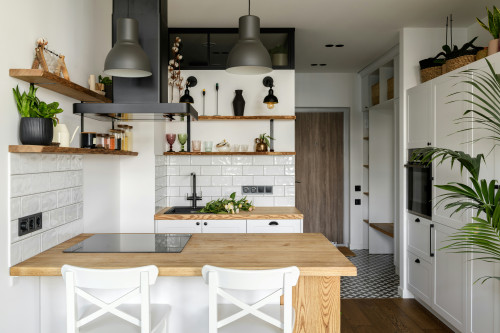
Exploring sustainable housing solutions for empowered women today

Exploring sustainable housing solutions for empowered women today
The Importance of Sustainable Housing for Women
Sustainable housing is not just an environmental concern; it is a social imperative, especially for women. As women continue to take on more prominent roles in society, having access to safe, sustainable housing can empower them economically, socially, and psychologically. Adequate housing solutions offer women stability, a sense of community, and the ability to concentrate on personal and professional growth.
Challenges Faced by Women in the Housing Sector
Women, particularly single mothers and low-income earners, often face multiple barriers when seeking housing. These challenges include financial instability, discrimination in rental markets, and inadequate access to resources for home ownership. Additionally, many women are the primary caregivers for their families, which means their housing needs often differ from those of single men or larger families. This creates a unique set of challenges that requires targeted solutions.
Innovative Housing Solutions
Addressing these challenges requires thinking outside the box. Various innovative housing solutions are emerging, designed to cater specifically to the needs of empowered women.
Co-Housing Models
Co-housing is gaining traction as a viable option for women seeking community-driven living environments. In a co-housing setup, individuals or families share communal spaces while having their private units. This model not only reduces housing costs but also fosters relationships and support networks among residents. Women can benefit from shared resources and responsibilities, alleviating some of the pressures of single motherhood or caregiving.
Micro-Housing Initiatives
Micro-housing refers to compact living spaces designed to promote efficiency and sustainability. These small homes often have lower rental and maintenance costs, making them appealing to women who may not have significant financial resources. Some cities are adopting policies that permit micro-units in urban areas, providing affordable housing options in otherwise unaffordable markets. These units can empower women by giving them independence and the means to live close to work and educational opportunities.
Green Building Practices
Investing in green building practices benefits both the environment and the occupants. Sustainable materials, energy-efficient designs, and reduced carbon footprints lead to healthier living spaces. For women, living in sustainable environments not only lowers utility costs but also creates a healthier home for their families. Various organizations are working to promote eco-friendly building practices, making them accessible to women-led initiatives and developers.
Financial Programs and Support
Access to financing is crucial for womens empowerment in housing. Several programs are designed to provide women with the financial tools they need for home ownership and sustainable living. Micro-financing options, grants, and low-interest loans can significantly reduce the barriers women face when purchasing property. It’s essential to raise awareness about these programs and encourage women to utilize them.
The Role of Technology in Housing Solutions
Technology is revolutionizing how housing solutions are developed and who is involved in the process. Digital platforms enable women to connect with resources, housing options, and supportive communities. Additionally, innovations like 3D printing for affordable housing are being explored, which can provide rapid, efficient, and low-cost solutions for women seeking secure homes.
Community Engagement and Advocacy
Creating sustainable housing solutions for women requires community engagement and advocacy. Local efforts to raise awareness about womens housing issues are critical. Networking opportunities help women share their experiences, challenges, and successes. This collaboration can foster more community-driven solutions tailored to womens unique needs.
The Way Forward
Women’s empowerment through sustainable housing is an ongoing journey. It involves collaboration among governments, NGOs, and community members. By focusing on tailored housing solutions that prioritize women, we can make strides towards an equitable future.