A Stress-Free Wedding Day: How to Create a Realistic Timeline


A Stress-Free Wedding Day: How to Create a Realistic Timeline
Your wedding day is one of the most memorable moments of your life – but it can also be one of the busiest. With so many moving parts, a well-thought-out timeline is the key to keeping things calm and enjoyable. A realistic schedule allows you to savour the big moments while still having time to breathe, laugh, and take it all in. Here’s how to plan your day so it flows smoothly from start to finish.
Start with the heart of the day: the ceremony
The ceremony is the anchor of your wedding day, and everything else should be built around it. Start by deciding when and where you’ll say “I do” – whether it’s a church, a beach, a vineyard, or a garden – and plan the rest of the day from there.
In New Zealand, many couples choose an afternoon ceremony, often between 2 and 4 p.m. This timing allows for a relaxed morning and a seamless transition into an evening celebration. If you’re having your ceremony and reception at different venues, remember to factor in travel time, parking, and the possibility of traffic – especially if your wedding is in a busy area or during summer holiday season.
Give yourself plenty of time in the morning
It’s easy to underestimate how long the morning preparations take. Hair, makeup, getting dressed, photos, and last-minute details can easily fill several hours. Start earlier than you think you need to – it’s far better to have extra time than to feel rushed.
A good rule of thumb is to include a 30–45 minute buffer between major parts of the morning. That way, if something runs over, you won’t be stressed.
- Bride’s preparation: 3–4 hours (including hair, makeup, and dressing)
- Groom’s preparation: 1–2 hours
- Pre-ceremony photos or “first look”: 30–60 minutes
If you’re getting ready at home or in accommodation near the venue, make sure there’s good lighting and enough space for everyone involved – including your photographer and hair and makeup artists.
Plan for travel and breathing space
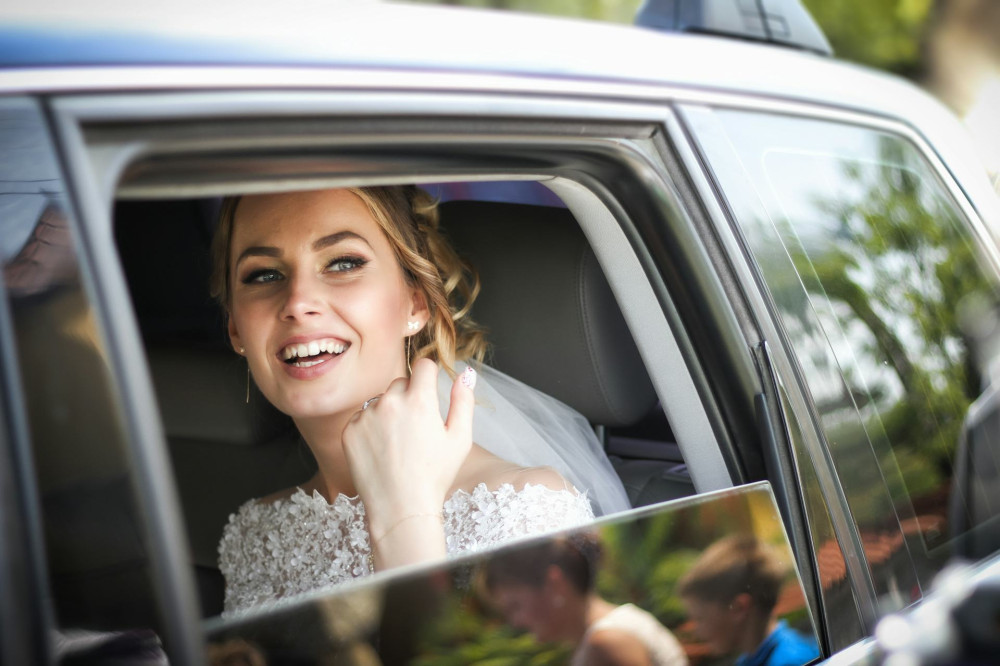
Transport can be one of the biggest time traps on a wedding day. Check your routes in advance, and allow extra time for traffic or unexpected delays. If you’ve booked a classic car, kombi van, or other special vehicle, confirm pickup times and routes with your driver.
Don’t forget to schedule short breaks for yourselves. A few quiet minutes after the ceremony – to sip some water, share a private moment, or take photos – can make a big difference to how relaxed you feel for the rest of the day.
Læs også:


Reception, dinner, and dancing – finding the right rhythm
After the ceremony, most couples host a reception with drinks, canapés, and congratulations. Allow enough time for guests to mingle and for you to greet everyone without feeling rushed. A reception usually lasts around 1.5–2 hours.
Dinner should begin while guests are still energised but not too hungry. If your ceremony is at 3 p.m., starting dinner around 6:30 p.m. works well. Coordinate with your caterer and MC to ensure speeches, meals, and entertainment flow naturally.
A typical evening timeline might look like this:
- 6:30 p.m.: Guests seated for dinner
- 6:45–9:30 p.m.: Dinner, speeches, and toasts
- 9:30 p.m.: Cake cutting and coffee
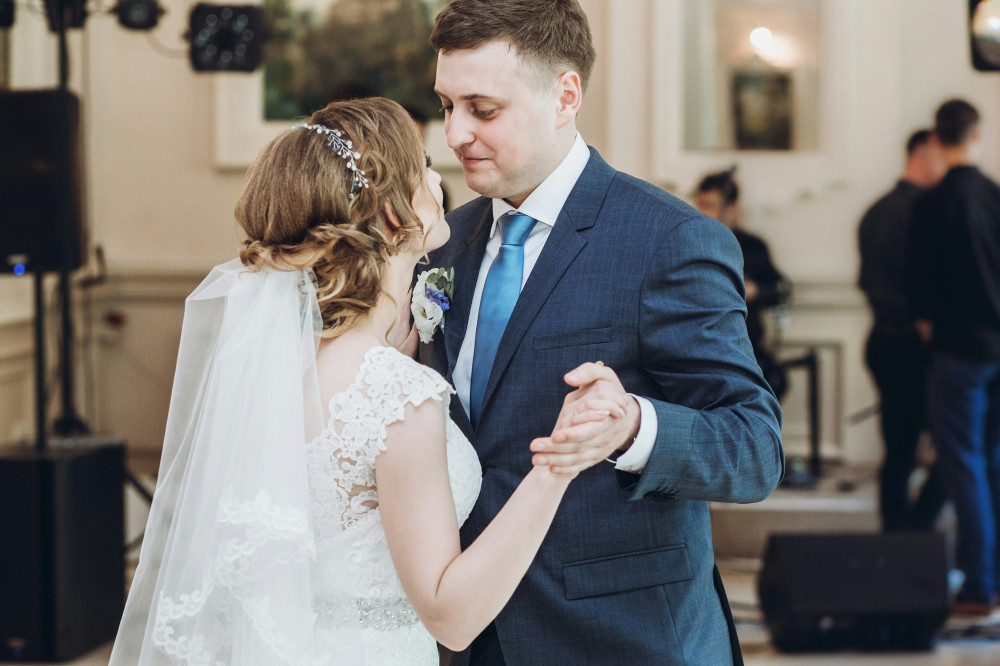
- 10:00 p.m.: First dance
- 10:15 p.m. onwards: Party and dancing
Of course, every wedding is different. The key is to keep the schedule flexible enough to feel natural, not rigid.
Involve your MC and key helpers
Your MC (or master of ceremonies) plays a vital role in keeping the evening on track. Make sure they have a detailed timeline but also the freedom to adjust if things run early or late. A relaxed flow always feels better than a tightly controlled schedule.
It’s also wise to appoint one or two trusted people to handle practical matters on the day – such as liaising with vendors, managing transport, or helping guests. This allows you to focus on what truly matters: enjoying your celebration.
Don’t forget to look after yourselves
It’s tempting to fill the day with activities, but the most memorable weddings often have space for stillness. Plan small moments where you can step away together – even five minutes after the ceremony or before the party begins can help you reconnect and take it all in.
Think, too, about how you want to end the night. Will you dance until the early hours, or slip away quietly to your accommodation? A realistic timeline isn’t just about logistics – it’s about creating a day that feels like you.
A day that reflects you
There’s no single “right” wedding timeline – only the one that fits your style, your guests, and your priorities. Whether you’re hosting a relaxed backyard celebration, a vineyard dinner, or a formal city event, thoughtful planning and generous time buffers will help everything run smoothly.
A good timeline isn’t a strict schedule; it’s a framework that gives you freedom. When you’ve planned well, you can let go of the clock and simply enjoy the day – exactly as it unfolds.
Læs også: