Cooking Without a Recipe: How to Learn to Improvise in the Kitchen

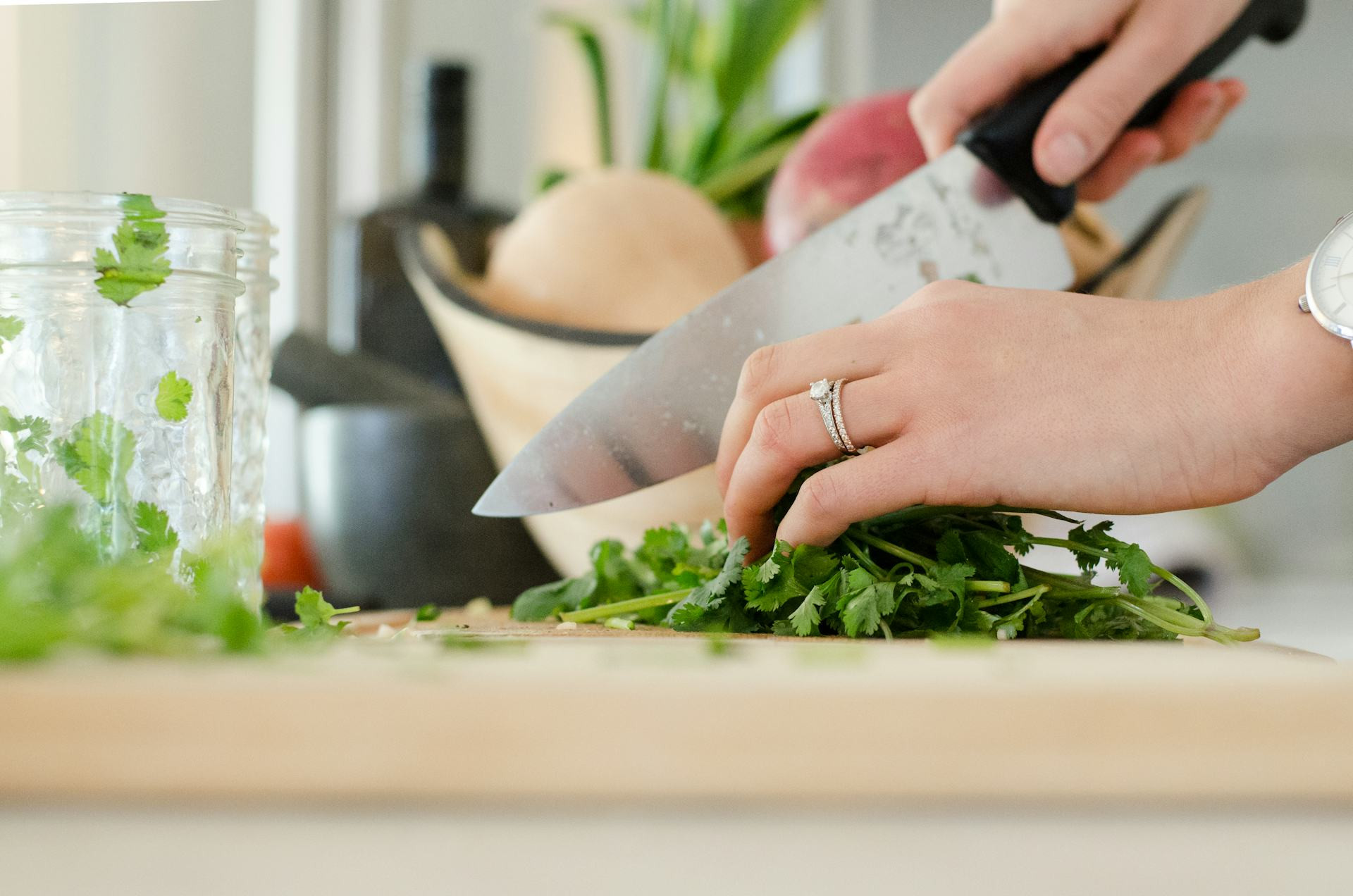
Cooking Without a Recipe: How to Learn to Improvise in the Kitchen
Being able to cook without a recipe is a kind of freedom many people dream of – but few dare to try. What if it goes wrong? The truth is, improvising in the kitchen isn’t about guessing; it’s about understanding the basic principles of cooking. Once you know them, you can let go of the recipe and start playing with flavour, texture, and technique. Here’s how to learn to improvise in the kitchen – step by step.
Know Your Core Flavours
Improvisation starts with understanding taste. The five basic flavours – sweet, salty, sour, bitter, and umami – are the building blocks of every dish. When you learn how they interact, you can balance a meal without needing to look anything up.
- Sweet balances acidity and bitterness. Try honey, kumara, or caramelised onions.
- Salty enhances flavour and tones down bitterness. Season gradually, not just at the end.
- Sour adds freshness. Lemon, vinegar, or yoghurt can lift a heavy dish.
- Bitter adds depth. Use kale, coffee, or dark chocolate in small amounts.
- Umami gives richness. You’ll find it in mushrooms, tomatoes, cheese, soy sauce, and even Marmite.
When you taste as you go, you can quickly fix a dish that’s missing “something” – no recipe required.
Master the Basic Techniques
Improvisation becomes easier when you’re confident with a few key techniques. You don’t need to know everything, but mastering the basics opens up endless possibilities.
- Sautéing – quick cooking over high heat, perfect for vegetables or small pieces of meat.
- Baking – once you understand the balance between flour, liquid, fat, and leavening, you can adapt freely.
- Boiling and simmering – know the difference: boiling for pasta, simmering for soups and stews.
- Pan-frying and caramelising – these add flavour and colour. Learn to control the heat so nothing burns.
When technique becomes second nature, you can focus on flavour and creativity instead of following instructions line by line.
Use Your Senses – Not Just Measuring Cups
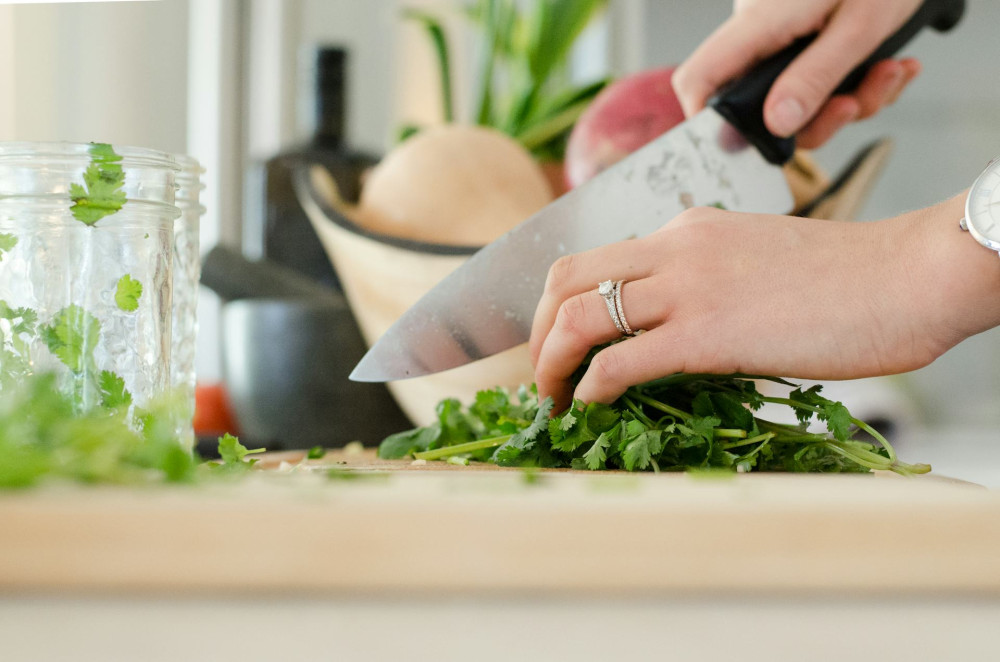
Recipes rely on grams and millilitres, but your senses are far more precise. Look, smell, taste, and feel as you cook. Are the onions golden and sweet-smelling? Is the sauce too thick or too thin? Does the flavour feel balanced or sharp?
The more you trust your senses, the better you’ll become at adjusting in the moment. That’s where true improvisation begins.
Think in Building Blocks – Not in Dishes
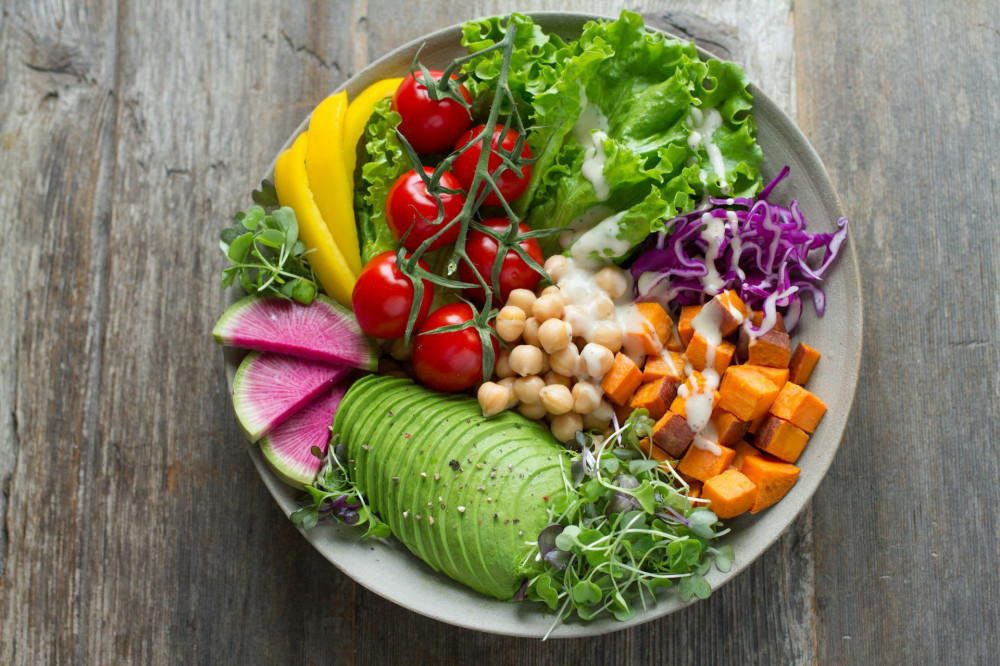
Instead of thinking “I’m making lasagne,” think in components: a base (pasta, rice, or vegetables), a sauce (tomato, cream, or stock), a protein (meat, beans, or lentils), and something for texture (cheese, nuts, or crisp vegetables). Once you understand how these elements work together, you can create endless variations.
For example: have leftover rice, a few veggies, and an egg? You’ve got the makings of a quick fried rice. Got bread, tomatoes, and cheese? That’s the start of a toasted sandwich or bruschetta. It’s all about seeing possibilities in what you already have.
Practise Using Leftovers
Improvisation and reducing food waste go hand in hand. When you learn to use leftovers creatively, you become both a better cook and a more sustainable one.
- Turn vegetable scraps into soup or stock.
- Use cooked potatoes in an omelette or mash.
- Transform stale bread into croutons, breadcrumbs, or bread pudding.
- Add leftover sauces or gravies to new dishes for extra flavour.
Thinking “what can this become?” instead of “what am I missing?” is one of the most valuable habits for an improvising cook.
Læs også:
Don’t Be Afraid of Mistakes
No one becomes good at improvising without a few failures. Some dishes will be amazing, others not so much – but you’ll learn from all of them. Take notes on what worked and what didn’t. Maybe it was too salty, or the veggies too soft. Next time, you’ll adjust.
Cooking without a recipe isn’t about perfection; it’s about curiosity. The more you experiment, the more natural it becomes to create something new.
Make Cooking Playful
When you let go of the recipe, you gain the freedom to play. Try pairing flavours you wouldn’t normally combine. Have a “mystery box” dinner using only what’s in your fridge. Or let your family each choose one ingredient and see how you can bring them together in a single dish.
Improvisation in the kitchen isn’t just a skill – it’s a mindset. It’s about being present, trusting your intuition, and enjoying the process as much as the result.
Læs også: