Flexible Work, New Opportunities: When Career and Learning Go Hand in Hand

Flexible Work, New Opportunities: When Career and Learning Go Hand in Hand
New Zealand’s world of work is changing. Digital tools, remote collaboration, and shifting expectations around work–life balance have made flexibility a defining feature of modern employment. For many Kiwis, this flexibility is not just about choosing where or when to work – it’s also about creating space for learning, growth, and personal development. The question is how to make the most of these new opportunities.
Flexibility as a Driver of Growth
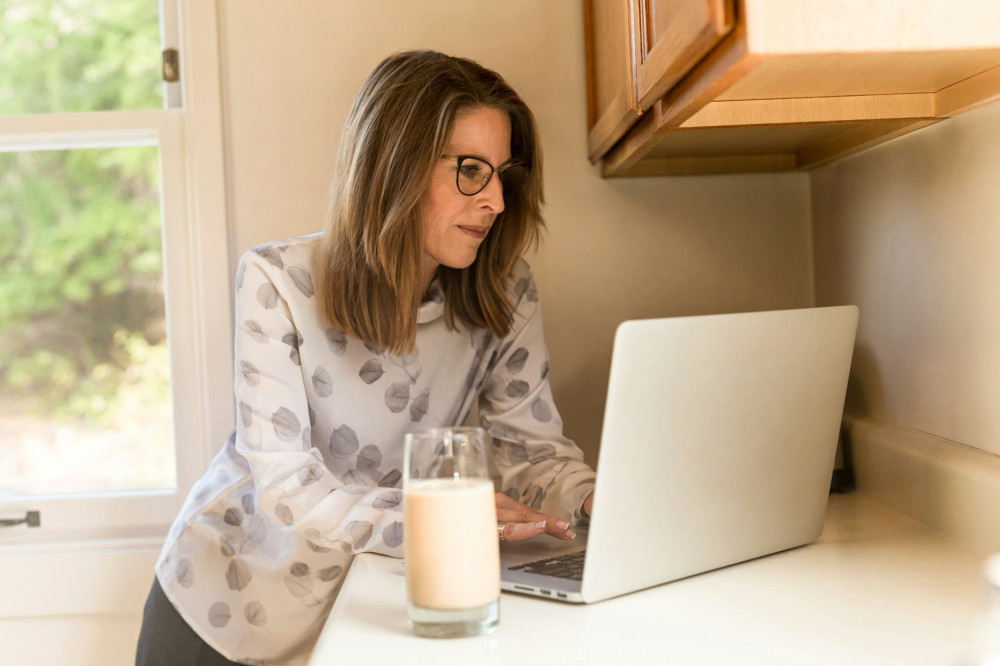
Flexible work is more than working from home or reducing hours. It’s about designing work around life’s different stages and priorities. For some, that might mean starting early to pick up the kids in the afternoon. For others, it could mean taking a short course during the day or dedicating part of the week to professional development.
New Zealand businesses that view flexibility as an investment in their people often see higher engagement and stronger retention. When employees are supported to learn and grow, they bring fresh energy and ideas back into the workplace – strengthening both individual careers and organisational capability.
Learning as Part of Everyday Work
As technology and industries evolve rapidly, continuous learning has become essential. But learning doesn’t have to mean enrolling in a full-time degree. Many New Zealanders are discovering that small, ongoing learning activities – such as online micro-courses, webinars, or professional networks – can fit naturally into their daily routines.
More employers are now offering access to digital learning platforms, allowing staff to choose what and when they want to learn. This sense of ownership makes learning feel less like an obligation and more like a natural part of working life.
Læs også:

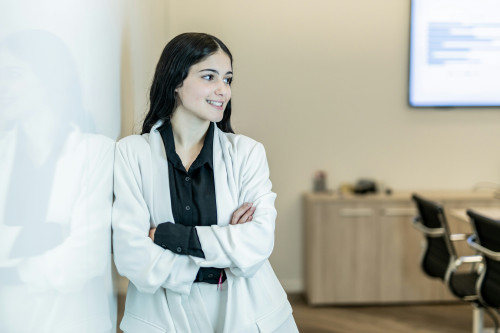
Women Leading the Way in Flexible Work
Flexibility has been particularly empowering for many women in Aotearoa, who often balance career, family, and personal goals. The ability to work remotely, take on contract roles, or combine part-time work with study has opened new pathways to shape a career on one’s own terms.
Research shows that women are increasingly using flexible work to pivot mid-career – whether by retraining, starting a business, or specialising in a new field. In this way, flexible work becomes not just a matter of balance, but a platform for transformation and growth.
The Challenges of Freedom
While flexibility offers many benefits, it also requires structure and self-discipline. When the boundaries between work and home blur, it can be difficult to fully switch off. Some people find themselves working longer hours simply because their office is always within reach.
That’s why it’s important to set clear boundaries – for work hours, breaks, and learning time. Scheduling dedicated moments for study or agreeing on availability with colleagues can help maintain balance. Flexibility works best when it’s intentional and well-managed.
The Future of Work: Blending Career and Learning
The future of New Zealand’s workforce will reward those who combine expertise with curiosity and a willingness to learn. Flexible work provides the perfect environment for this – enabling people to grow continuously without having to choose between career and education.
For both employees and employers, the key is to see learning not as a pause in productivity, but as an investment in long-term success. When career and learning go hand in hand, work becomes not only more efficient, but also more meaningful and sustainable for the future.
Læs også: