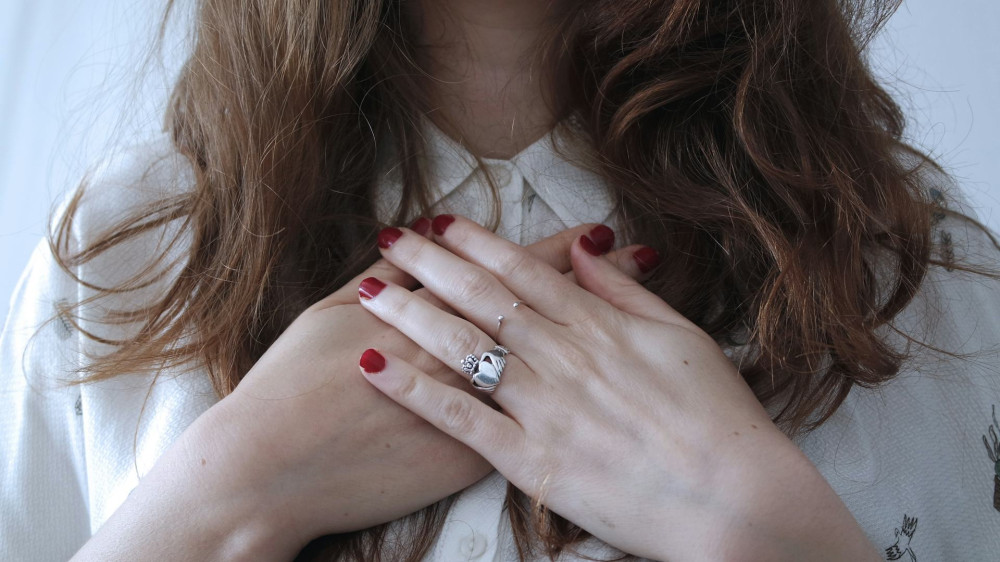
Mental breaks in everyday life – without changing your lifestyle

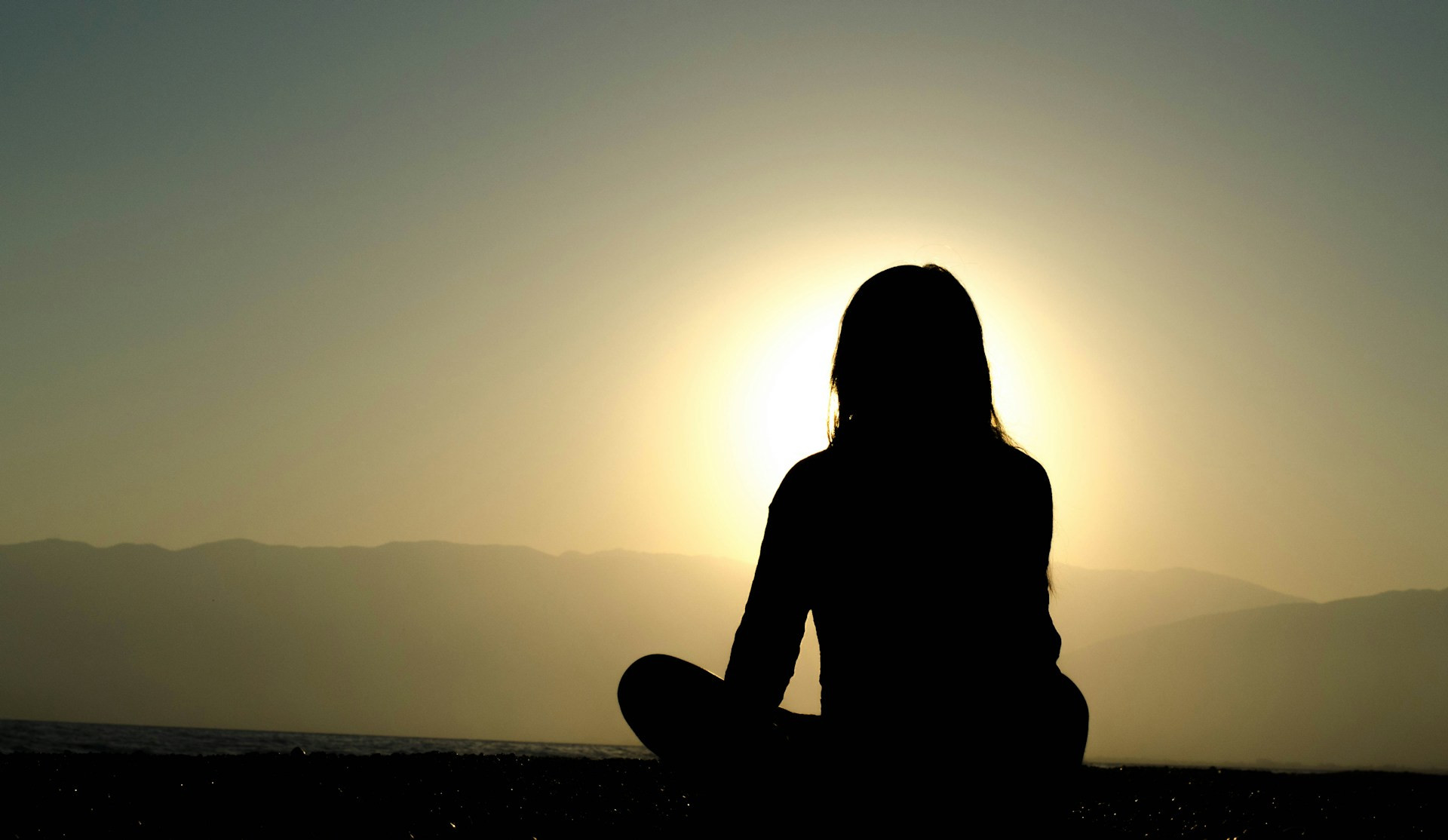
Mental breaks in everyday life – without changing your lifestyle
In a busy world of work, family, and social commitments, it can feel impossible to find a moment to breathe and let your mind rest. Many people associate mental recovery with big lifestyle changes – meditation retreats, yoga classes, or digital detoxes – but in reality, small, intentional pauses throughout the day can make a real difference. Here’s how you can create mental breaks without changing your lifestyle.
What is a mental break?
A mental break isn’t about doing nothing. It’s a moment where you allow your mind to shift gears – away from demands, screens, and planning. It can be just a few minutes where you focus on something other than your tasks and give yourself permission to simply be present.
Research shows that short breaks during the day can improve concentration, reduce stress, and boost creativity. Taking a break isn’t about being less productive – it’s about performing better and feeling better.
Use the natural pauses you already have
You don’t need to carve out extra time in your schedule to take mental breaks. Often, it’s about using the small gaps that already exist in your day more consciously.
- When you’re waiting – in traffic, in line, or for your coffee to brew. Instead of checking your phone, take a deep breath and notice your surroundings.
- When you have a cuppa – enjoy the taste and warmth of your tea or coffee without thinking about what’s next.
- When you walk from one place to another – slow down a little. Feel your body move and notice the rhythm of your steps.
These small moments may seem insignificant, but they give your brain a chance to reset – and over time, that makes a big difference.
Læs også:


Create small rituals that bring calm
Rituals help structure your pauses and signal to your body that it’s time to relax. They don’t have to be spiritual or time-consuming – just simple actions that create a sense of calm.
- Light a candle when you start working from home, and blow it out when you take a break.
- Listen to a calming piece of music for five minutes with your eyes closed.
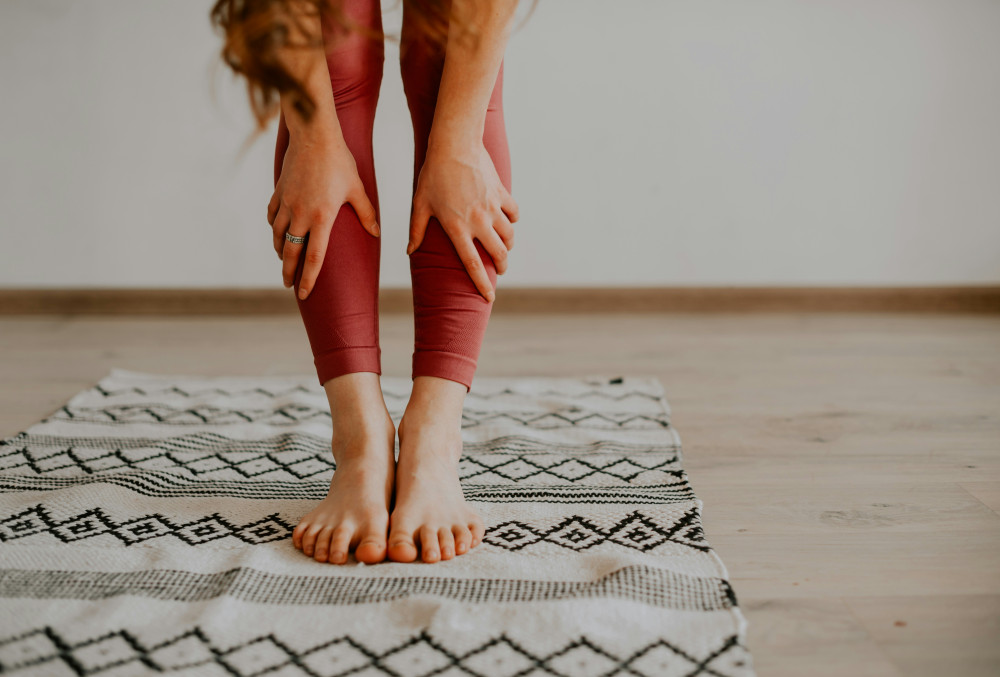
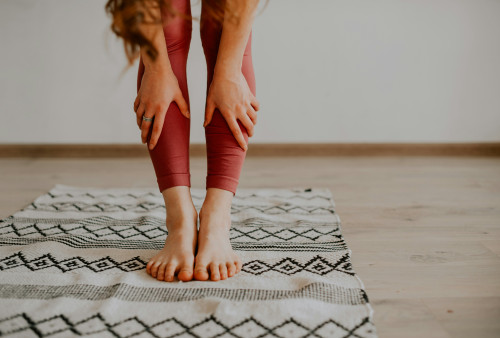
- Stretch briefly every hour to release tension.
When you repeat small rituals, your body learns to associate them with rest and presence. It becomes easier to find calm, even on busy days.
Give your mind a screen-free moment
Many of us spend our breaks scrolling through our phones – but that rarely gives the mental rest we need. Screens keep the brain alert, constantly processing information and images.
Try taking a screen-free break a few times a day. Look out the window, step outside for a breath of fresh air, or make a cup of tea without your phone. It might feel strange at first, but after a few days, you’ll notice that your breaks feel more restorative.
Use your senses as an anchor
A simple way to create mental calm is to focus on your senses. When you pay attention to what you see, hear, or feel, your thoughts have less room to spiral.
Try, for example:
- Noticing the sounds around you – birds, voices, or the hum of traffic.
- Feeling your feet on the ground and your shoulders relaxing.
- Focusing on the scent of your coffee, the sea breeze, or the rain outside.
These small exercises require no preparation but can bring an immediate sense of calm and presence.
Make breaks part of your daily rhythm
The key isn’t how long your breaks are, but that they become a natural part of your day. You could:
- Take a short pause between meetings or tasks.
- Set a reminder on your phone to take a few deep breaths every hour.
- End your workday with a small ritual that marks the shift to personal time.
When breaks become a habit, you’ll find they don’t take time away from you – they give time back in the form of energy and clarity.
Small steps, big impact
Creating mental breaks isn’t about changing your lifestyle; it’s about shifting your attention. By using the natural pauses in your day, stepping away from screens, and tuning into your senses, you can find more calm – right in the life you already live.
It doesn’t require more time, just a new way of using it.
Læs også: