Everyday Communities as Support: Finding Comfort and Strength in Close Connections


Everyday Communities as Support: Finding Comfort and Strength in Close Connections
When life feels heavy and loneliness or grief begins to weigh you down, it’s often the small, everyday connections that make the biggest difference. It’s not always the large networks or formal support groups that bring the most comfort – sometimes it’s the familiar faces, the casual chats, and the shared routines that help us feel grounded and supported. This article explores how you can find and nurture everyday communities that offer comfort and strength when life changes.
The Healing Power of the Everyday
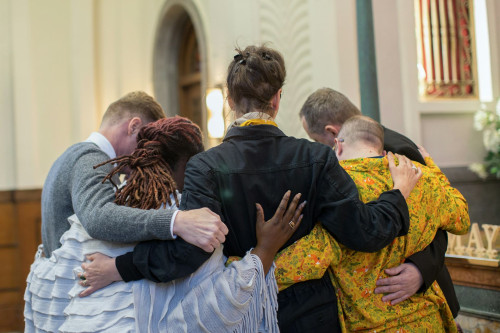
Community doesn’t have to be big to be meaningful. A friendly wave from a neighbour, a chat with a colleague over morning tea, or a walk with a friend can remind us that we’re not alone. When we share the ordinary moments of life – even the small ones – our burdens become a little lighter.
Research shows that social connections have a direct positive impact on both mental and physical wellbeing. It’s not about how many people you know, but about feeling connected. That sense of belonging can grow in the most ordinary situations, if we’re willing to reach out and let others in.
Finding Communities That Fit You
There are many ways to be part of a community, and the most important thing is to find what feels natural for you. Here are a few ideas:
- Local activities – join a community garden, a walking group, or a local club. Many councils and community centres across New Zealand host open events where everyone is welcome.
- Volunteering – helping others can bring a sense of purpose and connection. You might volunteer at a food bank, help with a beach clean-up, or support a local charity shop.
- Online communities – digital spaces can be a lifeline, especially if meeting in person feels difficult. Online groups allow you to share experiences and find understanding from others in similar situations.
- Everyday relationships – sometimes community is right in front of us: the neighbour next door, the barista who knows your order, or the parent you chat with at school pick-up. Small conversations can grow into meaningful friendships if you take the first step.
It’s not about pushing yourself into something uncomfortable, but about noticing and opening up to the opportunities already around you.
When Reaching Out Feels Hard
During times of grief or loss, connecting with others can feel overwhelming. You might not have the energy, or you may feel that no one truly understands what you’re going through. That’s completely natural. But in those moments, even small connections can make a big difference.
Start with what feels manageable. Send a short message to a friend, visit a local café where you can simply sit among others, or join a walking group where conversation isn’t required. The goal is to keep a gentle rhythm of contact with the world outside your own thoughts.
Læs også:


Creating Your Own Rituals
Community isn’t only about other people – it’s also about the routines and rituals that bring structure and meaning to your days. Maybe you have a regular phone call with a friend, attend a weekly class, or take a walk at the same time each morning. These small habits can become anchors that provide calm and stability.
You can also create new rituals that connect you with others – baking something to share with a neighbour, starting a small book club, or inviting friends for a simple meal. It doesn’t have to be grand to make a difference.
Community as Mutual Support
A healthy community is built on mutual care. That means you can both give and receive support. When you share your experiences, you make space for others to do the same, creating trust and understanding.
Many people find that helping others – even in small ways – brings renewed energy and meaning. It might be listening, offering practical help, or simply being present. In community, grief doesn’t disappear, but it becomes easier to carry because it’s shared.
Finding Strength in the Close and Familiar
Comfort and strength often appear where we least expect them – in small gestures, familiar routines, and everyday encounters. When we open ourselves to connection, we discover that we don’t have to face everything alone. It’s in these close, everyday communities that we find the support we need to heal and move forward.
Being part of an everyday community isn’t just a way to receive support – it’s also a way to rediscover meaning and direction. In connecting with others, we’re reminded that even in difficult times, warmth, presence, and hope are still within reach.
Læs også: