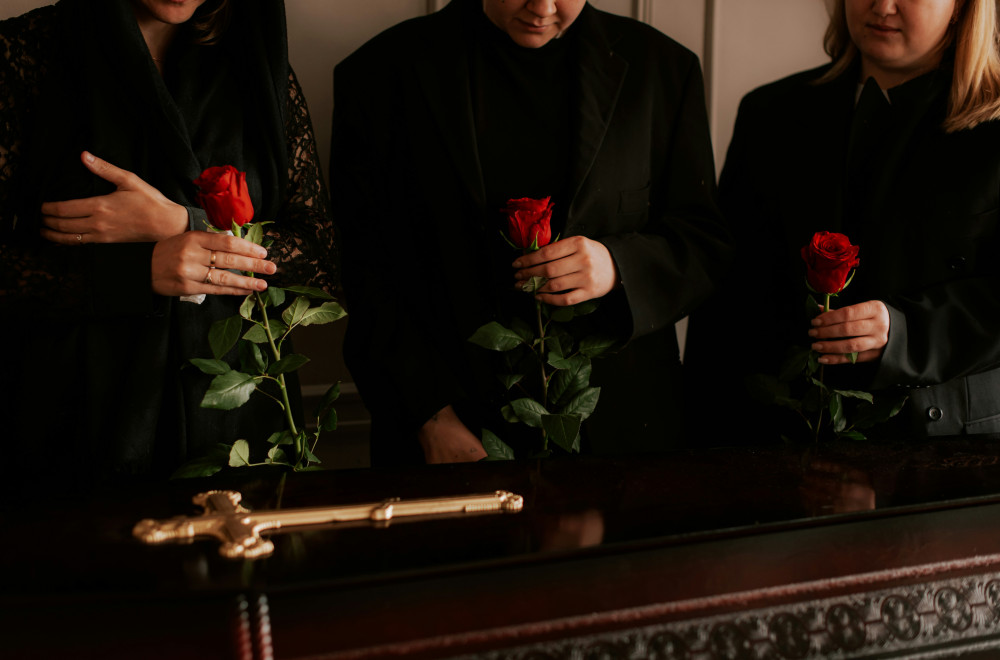
When Grief Is Shared: The Power of Community in Women’s Healing Process

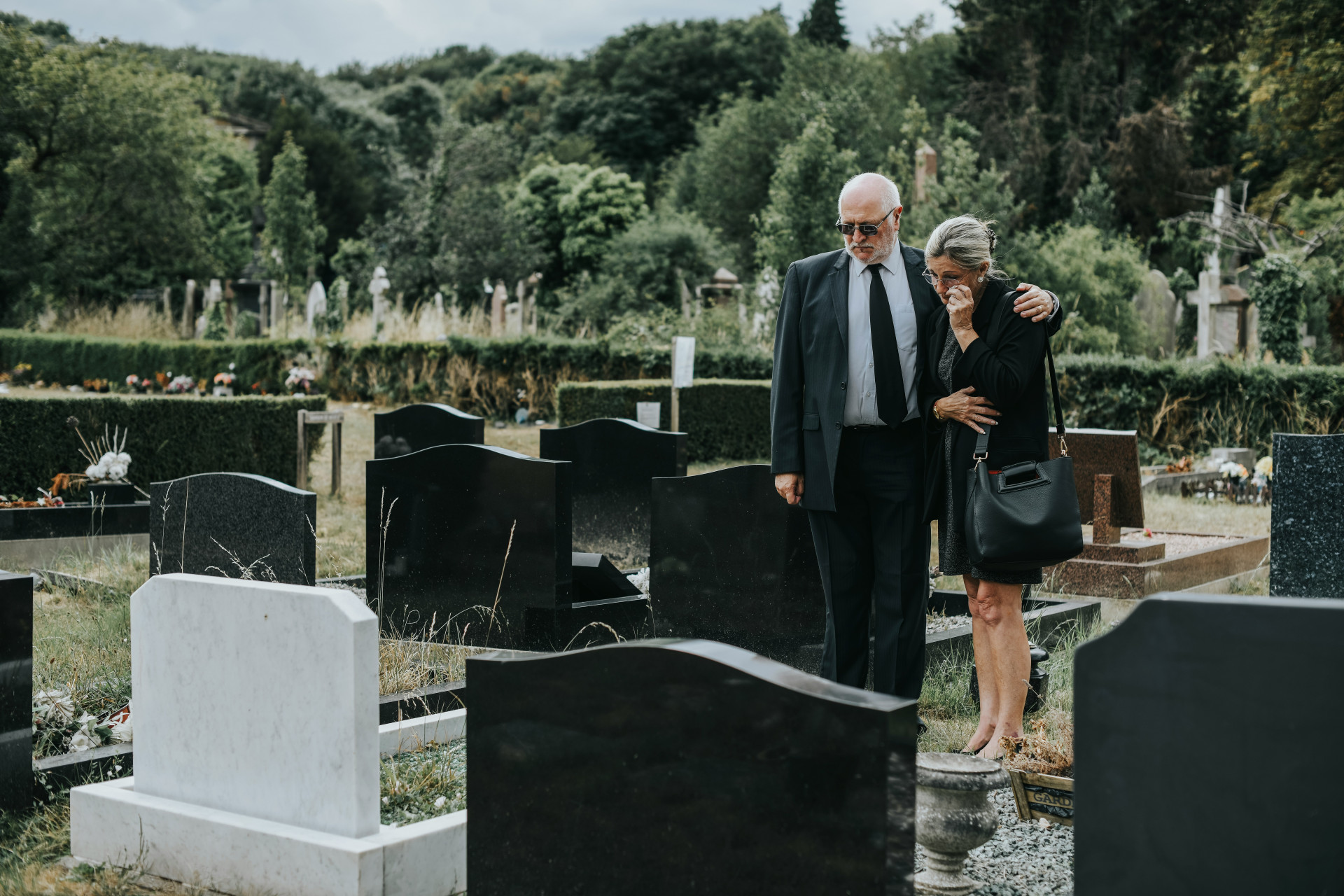
When Grief Is Shared: The Power of Community in Women’s Healing Process
Grief is one of the most universal human experiences – and yet one of the most isolating. When loss strikes, it can feel as though the world keeps moving while your own has stopped. But even in the darkest moments, connection can become a lifeline. For many women, healing begins when grief is shared – when they dare to reach out and let others be part of the journey.
The Many Faces of Grief
Grief takes many forms: the loss of a partner, a child, a parent, a friend, or even a dream. It can arrive suddenly and overwhelm, or it can unfold slowly over time. Many women, accustomed to caring for others, often find it difficult to give space to their own pain. Yet grief needs room – not to be fixed, but to be lived through.
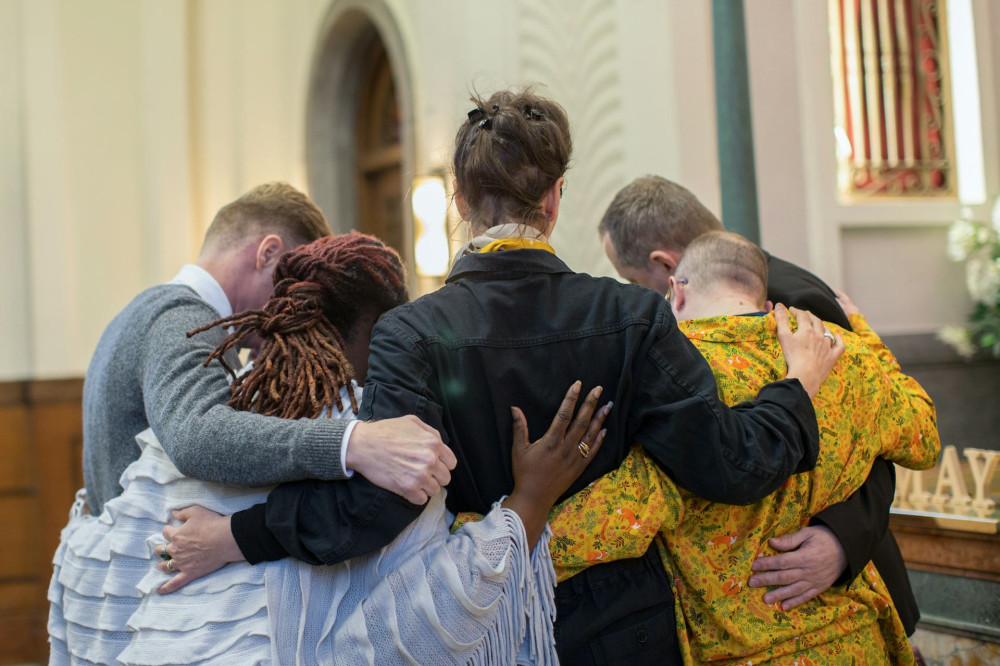
In that space, community can play a vital role. When women meet others who understand without needing every detail explained, a sense of recognition and relief emerges. It is in these shared moments that healing quietly begins.
Læs også:
Community as a Healing Force
Research into grief recovery shows that social connection deeply influences how we move through loss. Women who take part in support groups, community gatherings, or peer networks often experience a steadier emotional recovery. It’s not about “moving on,” but about finding a new way to live with what has changed.
Across Aotearoa New Zealand, community initiatives are helping women navigate grief together. From local hospice programmes offering bereavement circles to Māori and Pasifika women’s groups that weave cultural practices into healing, these spaces remind participants that they are not alone. Whether it’s a conversation over tea, a walk along the beach, or a shared moment of silence, connection transforms isolation into strength.
The Courage to Reach Out
For many, the hardest step is the first one. Grief can feel deeply personal, and opening up can seem daunting. But reaching out is not a sign of weakness – it is an act of courage. It might begin with a message to a friend, a visit to a local women’s centre, or joining an online support group.
Some women find comfort in structured programmes guided by counsellors, while others prefer informal gatherings – a book club that becomes a safe space, or a creative workshop where emotions find expression through art. What unites these experiences is the creation of a space where women can simply be themselves, even on the days when sorrow feels heaviest.
Rituals and Shared Symbols
Rituals can help give shape to grief. Lighting a candle, writing a letter to the one who is gone, or taking part in a remembrance event can bring comfort and meaning. In New Zealand, many women draw on both personal and cultural traditions – from planting native trees in memory of loved ones to participating in community ceremonies that honour life and loss.
When these rituals are shared, they become more than gestures; they are acts of collective remembrance. They remind us that love endures, even as life changes.
From Survival to Renewal
Healing is not about forgetting, but about finding a new balance. Many women describe how, through community, they gradually rediscover joy – not as a replacement for what was lost, but as part of a renewed story. When grief is shared, hope quietly returns.
Standing together in sorrow reminds us that we are not meant to carry pain alone. In community, grief does not disappear, but it becomes lighter to bear – and in that shared strength, life begins to bloom again.
Læs også: