Healing Through Care: Finding Meaning in Supporting Others Who Have Also Experienced Loss

Healing Through Care: Finding Meaning in Supporting Others Who Have Also Experienced Loss
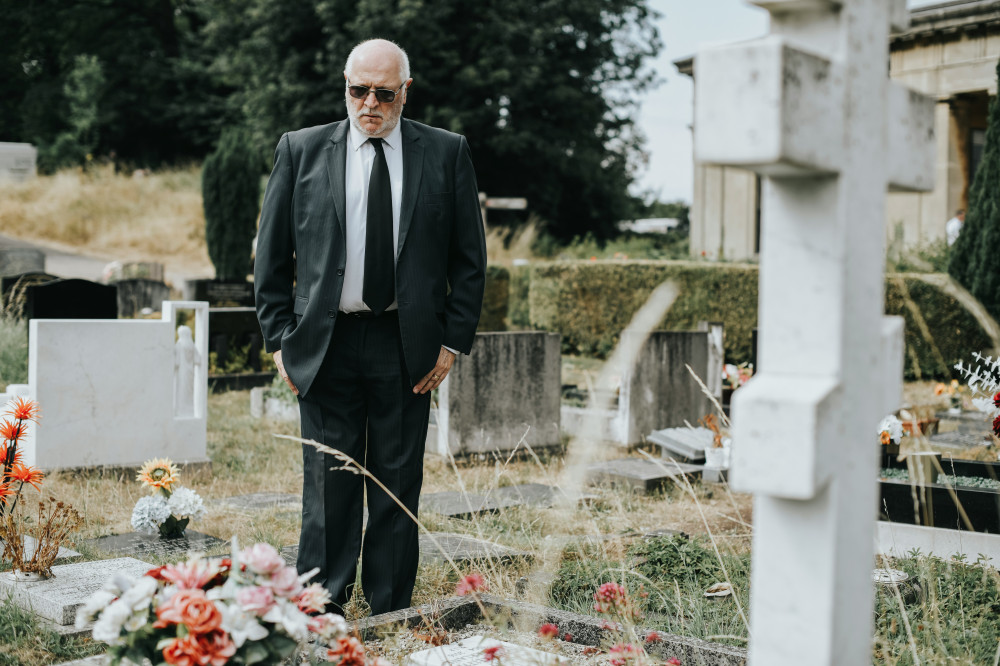
When someone you love dies, the world can feel quiet and unfamiliar. Grief can be heavy, and it takes time to find your footing again. Yet within that pain, a quiet strength can emerge – the ability to understand and support others who are walking a similar path. Reaching out to those who have also experienced loss can become a way to rediscover meaning and healing.
When Grief Becomes a Shared Experience
Grief is deeply personal, but it is also universal. Everyone, at some point, faces loss – a parent, a partner, a friend, or perhaps a child. When you meet someone who knows that same ache, a special connection can form. It doesn’t always take many words; sometimes it’s enough simply to feel understood.
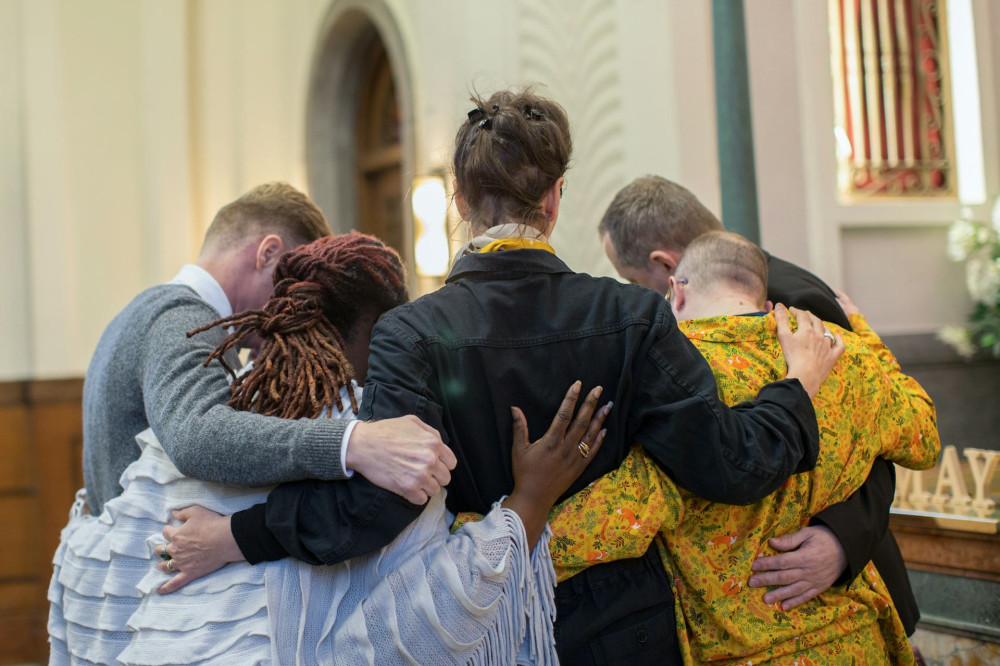
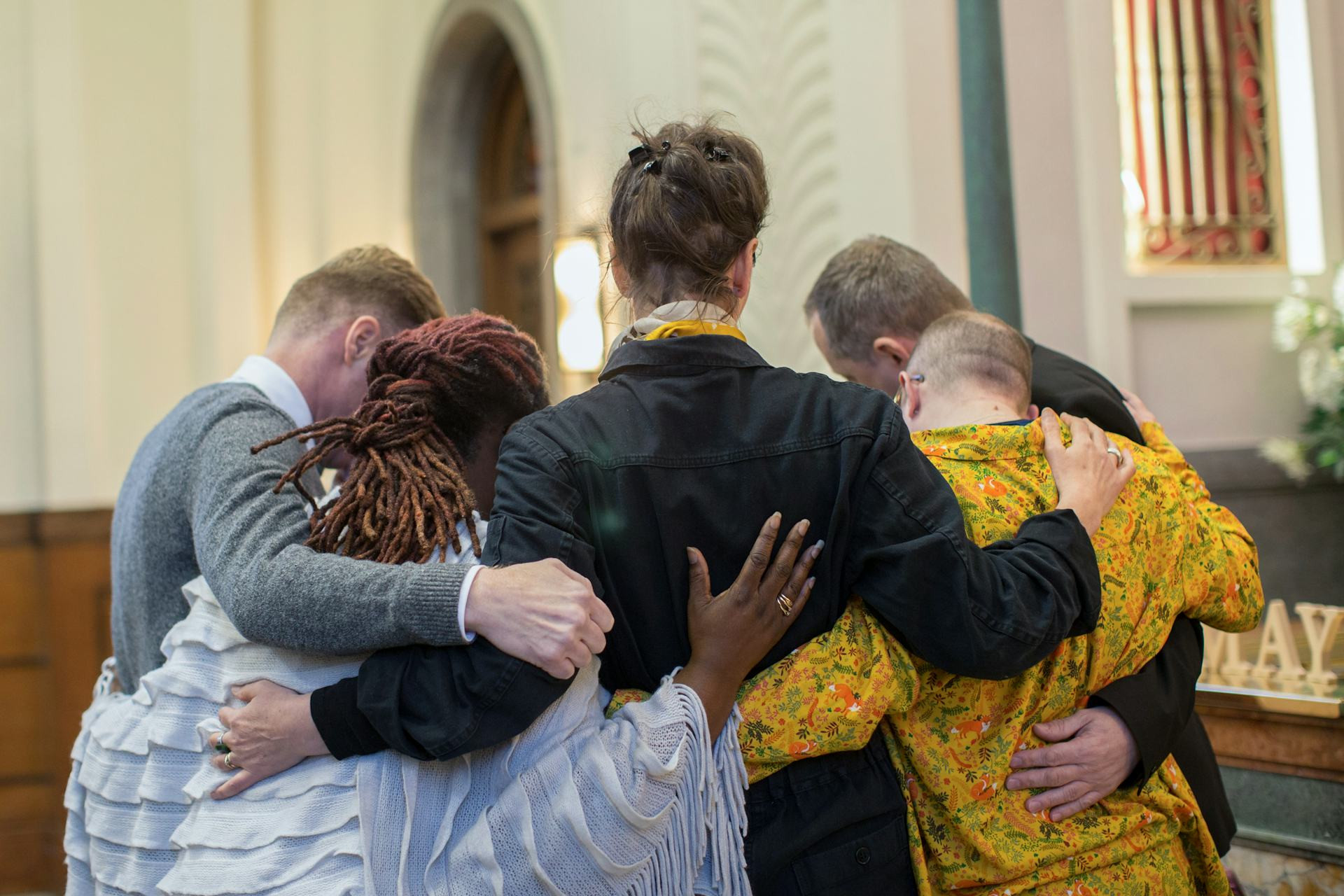
Sharing experiences with others who are grieving can bring comfort and a sense of belonging. This might happen in a support group, through volunteering, or in quiet conversations with people you meet along the way. Listening to others’ stories can help you see your own journey more clearly – and remind you that you are not alone.
Care as a Path to Meaning
After experiencing loss, many people feel a natural urge to help others. It might mean offering a listening ear, sharing practical advice, or simply being present. This kind of care is not only a gift to the person receiving it – it can also bring a renewed sense of purpose to your own life.
Research and lived experience alike show that helping others can strengthen our sense of meaning and connection. It’s not about forgetting your own grief, but about allowing it to become part of something larger. When you use your experience to support others, your loss can take on new significance – as a source of empathy and human connection.
Small Steps Toward Supporting Others
Supporting others through grief doesn’t have to be grand or formal. It can begin with small, genuine gestures:
- Listen without judgment. Sometimes the most powerful thing you can do is simply be there and let the other person speak.
- Share your own story with care. Hearing how you’ve navigated your grief can offer hope to someone still in the depths of it.
- Offer practical help. A cup of tea, a walk along the beach, or help with everyday tasks can mean more than words.
- Be patient. Grief takes time, and everyone moves at their own pace.
If you feel ready, you might also consider volunteering with a local bereavement support group or community organisation. In New Zealand, groups such as Skylight Trust, Grief Centre, or local hospice services offer opportunities to connect and contribute. These spaces can provide structure and community around what you may already do naturally – showing care.
Læs også:



Caring for Yourself While Caring for Others
It’s important to remember that you are still on your own journey. Supporting others can stir up old emotions, and it’s essential to look after yourself too. Take time to rest, reflect, and reach out for support when you need it.
Self-care and care for others go hand in hand. You can’t pour from an empty cup, and knowing your limits is a sign of strength, not weakness. By tending to your own wellbeing, you ensure that your compassion remains sustainable and genuine.
Healing Through Community
Finding meaning in supporting others isn’t about “moving on” from grief, but about learning to live with it in a new way. When you share your experience and make space for others’, grief becomes part of a shared human story – a place where pain and hope can coexist.
Healing through care is not a quick fix, but a gentle movement back toward life. In connecting with others who understand, you may discover that even in loss, something continues to grow: compassion, presence, and a deeper understanding of what it means to be human.
Læs også: